2026 Top Mould Components Manufacturers for Global Buyers
Selecting reliable Mould Components manufacturers is a technical decision, not a simple price comparison. Global buyers must examine precision, material quality, production capacity, and after-sales support. A supplier may offer attractive prices but still deliver inconsistent ejector pins, rough guide pillars, or poorly fitted lifters. Small defects can create flash, uneven cooling, and costly production delays.
John P. Beaumont, a recognized injection-molding engineer and author, describes the mold as “the heart of the injection molding process.” His observation remains highly relevant. Core pins, guide bushes, slides, sprue bushings, hot runner parts, and ejector systems must work together under repeated pressure. Buyers should review steel grades, hardness results, surface treatments, tolerance records, and inspection reports. Clear traceability also matters. ISO 9001 certification helps, but it cannot replace practical evidence from the factory floor.
This 2026 guide examines leading Mould Components manufacturers serving international buyers. It considers machining accuracy, customization, delivery reliability, communication, and technical documentation. Particular attention goes to manufacturers supporting complex tooling, tight tolerances, and demanding production cycles. Product samples and customer references can reveal more than polished websites. So can a factory visit.
No ranking is perfect. Supplier performance may change with materials, order volume, and regional logistics. Buyers should therefore compare current quotations, drawings, samples, and quality records before committing. A supplier that answers technical questions clearly is often worth closer attention. The cheapest option may not remain economical after rework, downtime, and rejected parts appear. Careful evaluation creates a stronger foundation for stable molding production.
What Mould Components Are and Why They Matter in Manufacturing
2026 Top Mould Components Manufacturers for Global Buyers
What Mould Components Are and Why They Matter in Manufacturing
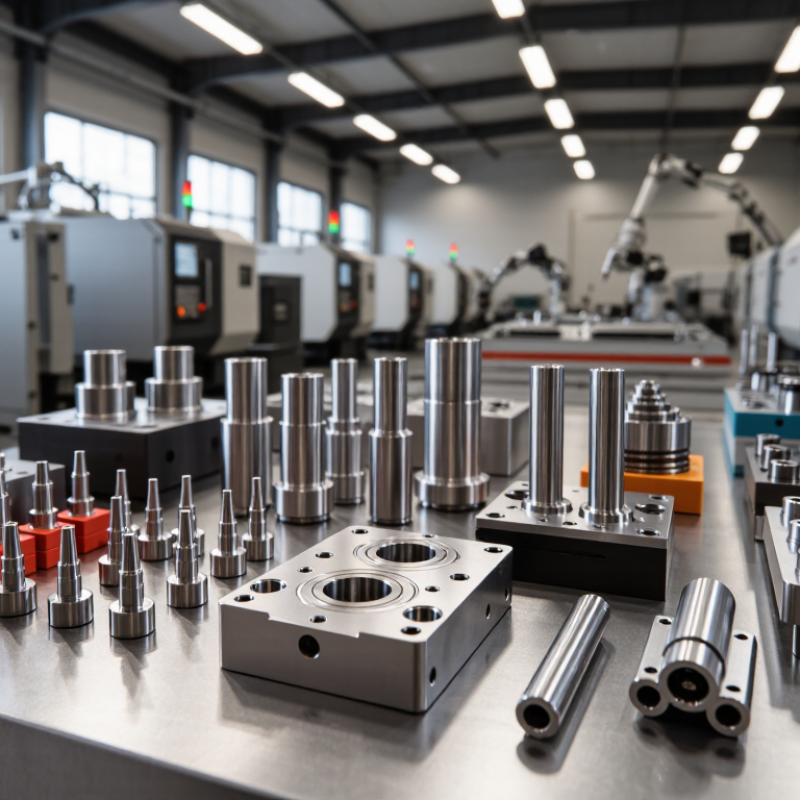
Mould components are the working parts inside a tool. They include cavities, cores, guide pins, bushings, ejector pins, slides, and lifters. Together, they control shape, alignment, release, and repeatability. A tiny mismatch can leave flash on a medical housing or a visible weld line on an appliance panel. Component accuracy is not decoration. It protects cycle time, surface quality, and safe assembly.
The OECD Global Plastics Outlook reports that global plastics production reached 460 million tonnes in 2019. It also found that only 9% of plastic waste was recycled. These figures strengthen the case for durable moulds and stable processing. Better alignment can reduce rejected parts, while replaceable wear components may extend tool life. The International Energy Agency’s Energy Technology Perspectives 2024 identifies material efficiency as important for lowering industrial emissions. That principle starts inside the toolroom.
For global buyers, material certificates, hardness records, dimensional inspection, and traceable batches deserve attention. Maintenance access matters too. A hardened ejector pin may last longer, yet poor lubrication can still cause scoring or seizure. Specifications sometimes look better than reality. Buyers should test components under actual resin, pressure, temperature, and cycle conditions.
“Standard” does not always mean suitable.
How to Evaluate Mould Component Manufacturers in 2026
How to Evaluate Mould Component Manufacturers in 2026
Selecting a mould component manufacturer requires more than comparing unit prices. Experienced buyers inspect process control, material traceability, and evidence of repeatable quality. Ask for steel certificates, heat-treatment records, and dimensional reports from recent production batches. A reliable supplier should explain tolerances clearly, including difficult features such as ejector pin holes and guide-bushing fits.
Ask for evidence. Request sample parts or inspection data measured with calibrated CMM equipment. Check surface finish under consistent lighting, not only in edited photographs. Confirm whether the manufacturer can maintain tight tolerances across large volumes. Delivery capability also matters. Review capacity planning, backup equipment, and realistic lead times during peak seasons. One missed shipment can delay an entire mould trial.
Communication reveals technical maturity. Engineers should discuss draft angles, hardness, wear resistance, and possible assembly risks before production begins. Clear revision control prevents outdated drawings from reaching the workshop. Traceable labeling helps identify lots, operators, and inspection results. Small details matter. However, no supplier is flawless. A manufacturer that openly reports a previous defect may be more dependable than one claiming zero problems. Buyers should examine corrective-action reports and ask how improvements were verified. Sustainability claims also need proof, such as energy records or documented waste-reduction procedures, rather than polished promises. Past performance deserves weight, but it should not replace a current audit. A factory changes, and so do its risks.
Key Product Categories Offered by Leading Global Suppliers
Global buyers typically source mould components across several practical categories: guide pillars and bushes, ejector pins, sleeves, lifters, slides, locks, cooling fittings, and hot-runner parts. Precision standard components reduce machining time, while custom inserts support complex cavities and frequent design changes. According to Grand View Research, the global plastic injection molding machine market was valued at about USD 10.6 billion in 2023, with continued growth expected through 2030. That expansion strengthens demand for compatible, replaceable mould hardware.
Hot-runner systems remain important for high-volume production because they can reduce runner waste and improve cycle consistency. Cooling components deserve equal attention. Poor channel design may create uneven shrinkage, even when the steel and machining appear excellent. The Plastics Industry Association reports that injection molding remains a major process in North American plastics manufacturing, supporting steady demand for repair and maintenance parts. Small items matter.
Leading suppliers also offer temperature controllers, pressure sensors, wear plates, and quick-connect fittings. These products help engineers monitor mould performance rather than react to defects later. Buyers should check steel grade, hardness, dimensional tolerance, surface treatment, and replacement compatibility. A low unit price can become expensive after repeated downtime. Market reports provide useful direction, but they cannot replace trial runs, inspection records, and supplier audits. Some specifications still need questioning. That is often where reliability is tested.
Quality, Certification, and Customization Standards for Buyers
2026 Top Mould Components Manufacturers for Global Buyers
Quality, Certification, and Customization Standards for Buyers
Global buyers need more than a polished catalogue. They need repeatable dimensions, verified materials, and evidence that survives inspection. The ISO Survey 2022 recorded 1,265,216 ISO 9001 certificates across 188 countries and economies. This scale shows certification is widely available, but certification alone does not prove component quality. Ask for current certificates, audit scope, calibration records, and corrective-action history.
Small details matter. A reliable mould component manufacturer should provide steel certificates, hardness results, coating information, and dimensional reports. Critical features need measurable limits, not vague promises. For slides, ejector pins, guide systems, and inserts, buyers should confirm tolerances, surface finish, heat treatment, and replacement compatibility. A coordinate-measuring-machine report can reveal a 0.02 mm deviation before assembly creates costly downtime.
Customization should begin with usable engineering data. Suppliers should review 2D drawings, 3D files, material grades, operating temperatures, and expected cycle counts. Plastics Europe’s Plastics—the Fast Facts 2024 report estimated global plastics production at 413.8 million tonnes in 2023. That volume increases pressure for durable, serviceable tooling components. However, high production volume does not justify every premium specification. I have seen projects over-engineered for uncertain conditions. Buyers should challenge assumptions, request samples, and define acceptance criteria before ordering. Traceability matters. So does honest technical disagreement.
How to Compare Pricing, Delivery, and After-Sales Support
2026 Top Mould Components Manufacturers for Global Buyers
How to Compare Pricing, Delivery, and After-Sales Support
Comparing mould component suppliers requires more than checking the lowest quotation. Ask for a line-by-line price covering steel, machining, heat treatment, inspection, packaging, and tooling changes. A quote that is 12% lower may exclude trial adjustments or replacement inserts. That difference can become expensive later.
Delivery promises should include clear production stages. Request dates for design approval, material arrival, first machining, assembly, mould testing, and final shipment. Practical suppliers provide inspection records, dimensional reports, and sample photos before dispatch. Ask how they handle delays. One missed vessel can disrupt an entire production schedule. Build a small buffer. Even experienced teams underestimate customs clearance and corrective machining.
After-sales support often reveals a manufacturer’s real reliability. Confirm response times, warranty limits, spare-part availability, and technical assistance after installation. A useful agreement should explain who pays for defective components and how quickly replacements ship. Keep communication records, especially after design changes. Some suppliers respond quickly before payment, then become slow during troubleshooting. That is not always intentional, but buyers should still plan for it. A shared issue log and scheduled video inspection can reduce confusion. Check whether engineers understand your mould structure, tolerance requirements, and maintenance routine. Cheap parts are not valuable when they increase downtime.
2026 Top Mould Components Manufacturers for Global Buyers
How to compare pricing, delivery, and after-sales support across common mould-component supplier categories.
The benchmark uses a 100-point procurement score: price competitiveness accounts for 35%, delivery reliability for 30%, and after-sales support for 35%. Scores represent typical buyer-planning benchmarks for general-purpose, precision, and custom-engineered mould components; actual quotations and service levels should be verified with each supplier.