What is Plastic Injection Mold and How Does It Work?
The process of creating products often involves intricate machinery. One key player in this field is the Plastic Injection Mold. This technology molds plastic into desired shapes with high precision. It is used in various industries, from automotive to consumer goods.
Understanding how a Plastic Injection Mold operates is essential for designers and engineers. It starts with heating plastic pellets until they melt. The liquid plastic is then injected into a mold cavity at high pressure. Once cooled, the mold opens, and the finished part is ejected. This method allows for mass production of complex shapes with minimal waste.
However, there are challenges in the design of molds. Tolerances must be exact, and any miscalculations can lead to defects. The heat distribution needs careful consideration. Sometimes, it’s easy to overlook these details, which can lead to costly mistakes. Reflecting on these factors is vital for improving the molding process and achieving quality results.
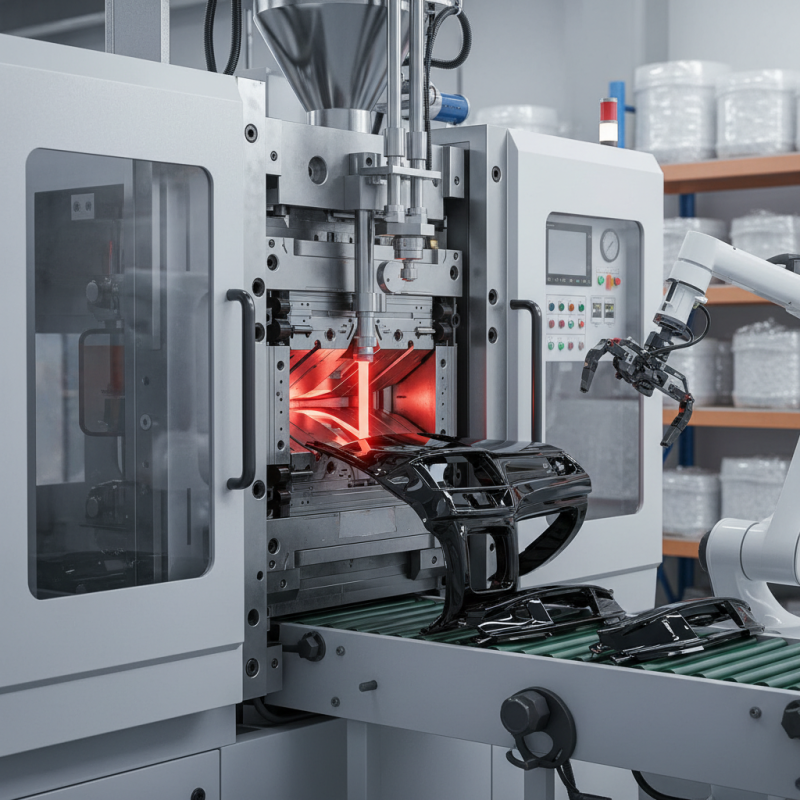
What is Plastic Injection Molding? An Overview of the Process
Plastic injection molding is a manufacturing process used to create plastic products. It involves heating plastic pellets until they melt. Once molten, the plastic is injected into a mold. After it cools, the mold is removed, revealing the final product. This method is efficient and allows for high precision.
Make sure the design of the mold is simple. Complicated designs can lead to issues during the injection process. Additionally, consider the type of plastic used. Different plastics have unique properties, affecting the final item.
One common mistake is underestimating cooling time. This step is crucial for ensuring quality. If the plastic doesn't cool adequately, it may warp. Check dimensions often to maintain accuracy. Testing prototypes can save costs before mass production.
Key Components of Plastic Injection Molds and Their Functions
Plastic injection molds are complex structures that allow for mass production of plastic parts. Key components of these molds play critical roles in ensuring the efficiency and quality of the manufacturing process. The mold typically consists of two main halves: the core and the cavity. The core shapes the inner features of the part, while the cavity defines the outer features. Together, they create a precise mold for injecting liquid plastic.
Another essential component is the runner system. This is the channel that guides molten plastic from the injection unit to the cavity. An efficient runner design is crucial for reducing waste and ensuring uniform flow. Cooling channels also play a significant role. They help solidify the plastic quickly, speeding up the production cycle. But, poorly designed cooling may lead to uneven cooling, affecting part quality.
Ejector pins are necessary for removing the formed parts from the mold. These pins push the molded objects out after cooling. Their placement is vital; improper positioning may result in damage to the part. Lastly, a venting system ensures air escapes during injection. If vents are too small or incorrectly placed, air traps can occur. This can compromise the integrity of the final product, leading to defects.
The Plastic Injection Molding Cycle: Step-by-Step Breakdown
Plastic injection molding is a complex process that transforms raw plastic into finished parts. The cycle consists of several key steps, starting with material preparation. Plastic pellets are fed into a heated barrel, where they melt. This molten plastic is then injected into a mold under pressure. The mold shapes the plastic into the desired design.
After the injection, the plastic cools and solidifies. Cooling time can vary based on the part's size. This stage is crucial; inadequate cooling may lead to defects. Once solidified, the mold opens, and the finished product is ejected. Quality checks are often necessary at this stage. Issues like warping or incomplete filling can arise.
The cycle repeats, emphasizing efficiency and precision. However, achieving the perfect balance can be challenging. Operators must adjust parameters regularly. It’s a constant learning process within the production line. Each cycle offers insights into improving the final product. This stage highlights the importance of quality control in injection molding.
Material Selection in Plastic Injection Molding and Its Impact
Material selection is crucial in plastic injection molding. It significantly influences product quality, production efficiency, and overall performance. The right material can improve durability and reduce production costs. According to a recent industry report, about 60% of manufacturers reported that material choice directly impacts their operational efficiency.
Choosing the right plastic involves considering factors like temperature resistance, strength, and flexibility. There are many options available, including thermoplastics and thermosetting polymers. Each material comes with specific properties that can either benefit or limit the item produced. For example, ABS is known for its toughness, while polycarbonate offers high impact resistance.
Tips: Always consider the end-use of your product when selecting materials. Test different materials to gauge their performance. Additionally, know the environmental impact of your choices; sustainability is increasingly important in this industry. Poor material selection can lead to failures, excessive waste, and higher costs. Strive to optimize this process for better outcomes.
Industry Applications and Market Trends in Plastic Injection Molding
Plastic injection molding plays a critical role across various industries. Automotive, consumer goods, and healthcare are prominent fields utilizing this technology. In the automotive sector, parts production is efficient and precise. This ensures vehicles have consistent quality and performance. In consumer goods, the process allows for creating toys and household items. These products can be produced rapidly, meeting consumer demand swiftly.
Tips: Always consider material choice. Different plastics have unique properties. Some are more durable, while others are biodegradable. Understanding the right type can enhance product quality.
Market trends show a shift towards sustainability. Bioplastics are gaining traction as companies seek eco-friendly solutions. This change offers advantages but comes with challenges. Not all traditional injection molding machines accommodate bio-based materials. Adaptation in manufacturing processes is necessary.
Companies must stay informed about new technologies. Automation and smart manufacturing are on the rise. These innovations can increase efficiency but may require adjustments to current operations. The balance between technology and craftsmanship needs reflection. As advancements occur, ongoing education for workers is vital. This ensures that they remain skilled and relevant in this evolving field.