Why is a Fall Arrest System Essential for Workplace Safety?
In various industries, a Fall Arrest System is crucial for safeguarding workers at heights. According to the U.S. Bureau of Labor Statistics, falls account for nearly 33% of all construction-related fatalities. This alarming statistic underscores the necessity for effective safety measures. A comprehensive Fall Arrest System can significantly reduce the risk of severe injuries and fatalities.
Many employers still overlook proper fall protection training. A report by the National Institute for Occupational Safety and Health indicates that about 65% of workers do not receive adequate training on fall hazards. This gap is concerning. An effective Fall Arrest System not only protects employees but also promotes a culture of safety within the organization. Enhanced training and appropriate equipment can lead to a notable reduction in workplace incidents.
Recent studies also reveal that organizations investing in robust fall protection measures witness improved employee morale. Workers feel safer and are more productive in environments prioritizing safety. However, complacency remains a challenge. Regular evaluations of fall protection systems are essential to ensure they meet current standards and effectively mitigate risks.
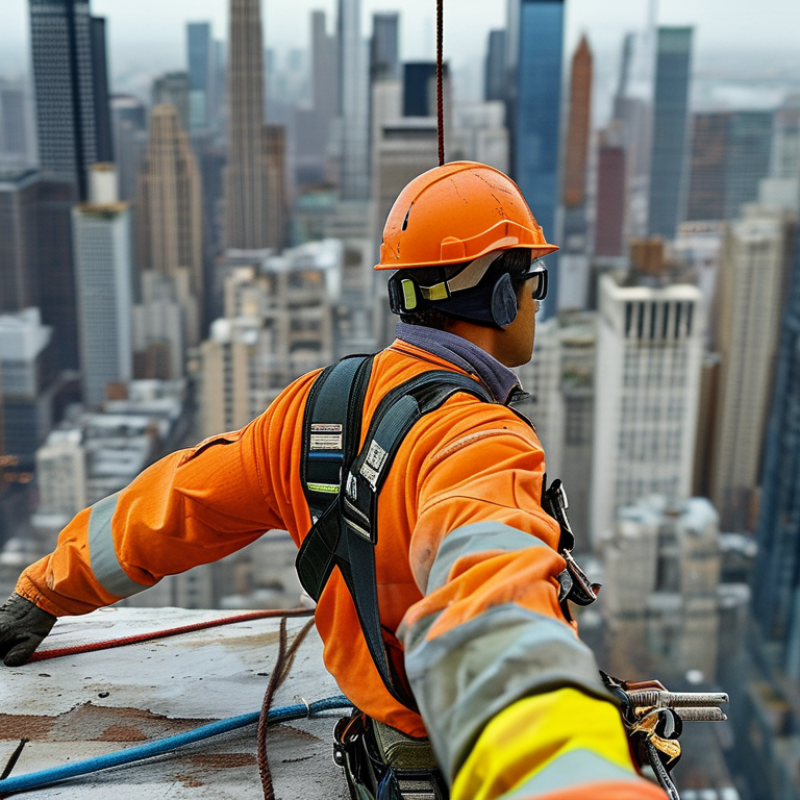
The Importance of Fall Arrest Systems in Preventing Workplace Injuries
Falls are a leading cause of injuries in many workplaces. This risk is particularly high in construction sites, warehouses, and areas with elevated platforms. The implementation of a fall arrest system is crucial for protecting workers. These systems are designed to prevent accidents and minimize the consequences of falls. Proper use can save lives and reduce the severity of injuries.
Many companies underestimate the importance of these systems. They may view costs as a reason to delay installation. However, the cost of an injury can be astronomical. Medical expenses, lost productivity, and potential lawsuits can far exceed these initial investments. Regular training and maintenance of fall arrest systems are often neglected, leaving workers vulnerable. A lack of attention to detail can result in tragedy.
It’s essential to recognize that safety measures are not just regulations; they are lifelines. Workers deserve a safe environment. Employers must prioritize employee welfare over costs. This mindset shifts the culture towards safety and accountability. Each fall can teach valuable lessons about vigilance and preparation. Awareness and proper training can bridge the gap between compliance and genuine safety.
Why is a Fall Arrest System Essential for Workplace Safety? - The Importance of Fall Arrest Systems in Preventing Workplace Injuries
| Dimension | Data |
| Number of Falls in the Workplace (Annual) | 300,000 |
| Percentage of Falls Prevented by Fall Arrest Systems | 75% |
| Average Cost of Fall-Related Injuries | $40,000 |
| Fatalities Caused by Falls (Annual) | 800 |
| Return on Investment for Fall Arrest Systems | $3 for every $1 spent |
| Common Industries Using Fall Arrest Systems | Construction, Warehousing, Maintenance |
Statistics on Workplace Falls: The Need for Effective Safety Measures
Workplace falls remain a leading cause of injury and death. In fact, statistics reveal that around 30% of unintentional fatalities come from falls. This highlights the urgent need for effective safety measures. Fall arrest systems serve as a crucial line of defense against such accidents. These systems can significantly reduce the risk of severe injuries, providing a safety net for workers in hazardous environments.
Many industries overlook the importance of these systems. Strikingly, construction sites are among the most dangerous places. Workers on scaffolding or ladders are at a higher risk during tasks. Even a minor slip can lead to catastrophic outcomes. To counter this, regulations emphasize the use of harnesses, guardrails, and nets. However, compliance often lags behind expectations. Training is equally vital; workers must understand how to use equipment properly.
Despite advancements in safety measures, incidents still occur. It's a wake-up call for employers and employees alike. Regular assessments and drills can make a difference. Creating a culture of safety is essential. Workers should feel empowered to speak up about unsafe conditions. Prioritizing fall prevention is not just recommended—it’s necessary for everyone’s well-being.
Types of Fall Arrest Systems: Understanding Their Functionality and Use
Fall arrest systems are vital for protecting workers at heights. These systems prevent injuries and fatalities from falls, which are a major risk in various industries. Understanding their types and functionality can enhance workplace safety.
There are several types of fall arrest systems available. These include harnesses, lanyards, and anchor points. Each component serves a distinct role. Harnesses distribute the force of a fall over the body. Lanyards connect the harness to a secure point. Anchor points are crucial; they provide the necessary security for the entire system.
Employers must ensure training is provided for workers using these systems. Regular inspections of equipment are essential. This includes checking for wear and tear. Always replace damaged components. It's a simple step that can save lives. Remember: a well-maintained system is only as effective as its user.
Tip: Conduct regular drills on using fall arrest systems. Familiarity can boost confidence. Encourage workers to speak up about safety concerns. An open dialogue improves overall safety culture. Each accident can be a lesson learned. Reflecting on past incidents is critical for improvement.
Regulatory Standards and Compliance for Fall Protection in Various Industries
In various industries, regulations for fall protection are critical. Many organizations must comply with standards set by authorities like OSHA. This helps ensure the safety of workers at heights. Non-compliance can lead to severe penalties and increased accidents.
When implementing a fall arrest system, understanding the specific regulations is essential. For construction sites, guardrails may be required. In contrast, manufacturing facilities may opt for personal fall protection systems. Each industry has unique needs. Always assess the environment before selecting a system.
Tips: Regular training helps keep employees informed about safety practices. Use visual aids to increase awareness. Consider conducting periodic reviews of safety protocols. This proactive approach can reduce risks.
Compliance with regulations is not just about avoiding fines. It reflects a commitment to employee welfare. Make safety a priority. A fall arrest system is just one component of an effective safety strategy.
Best Practices for Implementing Fall Arrest Systems in the Workplace
Implementing a fall arrest system is crucial for maintaining workplace safety. Employees working at heights are at risk of serious injuries from falls. A well-designed system can prevent accidents. To ensure effectiveness, it’s vital to assess the specific risks associated with your work environment.
Training staff is essential. Workers must understand how to use the fall arrest system correctly. Frequent drills can reinforce this knowledge. Regular inspections of equipment are also necessary. Check for wear and tear, and replace faulty parts promptly. Engaging employees in safety discussions can create a culture of awareness.
Documentation plays a key role. Maintain detailed records of inspections and training sessions. This not only ensures compliance but also improves accountability. Reflecting on past incidents can help identify gaps in safety practices. Embrace continuous improvement to enhance safety protocols. Every small step counts in creating a safer workplace.