How to Choose the Right Packing Machine for Your Business?
Choosing the right Packing machine can significantly impact your business efficiency. It is crucial for businesses in various industries, from food production to e-commerce. An optimal packing machine increases productivity and maintains product integrity.
When exploring options, consider the specific needs of your business. Factors such as product size, packaging materials, and production volume are vital. Different machines offer various features. Look for machines that suit your budget while promising quality and reliability. Understand that it's not just about purchasing; it's about investing in a solution that alleviates packaging challenges.
Many businesses make the mistake of rushing this decision. Some might prioritize cost over functionality. This approach may lead to poor performance and more problems down the line. Take your time to research and evaluate multiple machines. Seek expert advice and user reviews to make a more informed choice. Your packing machine should enhance your operations, not complicate them.
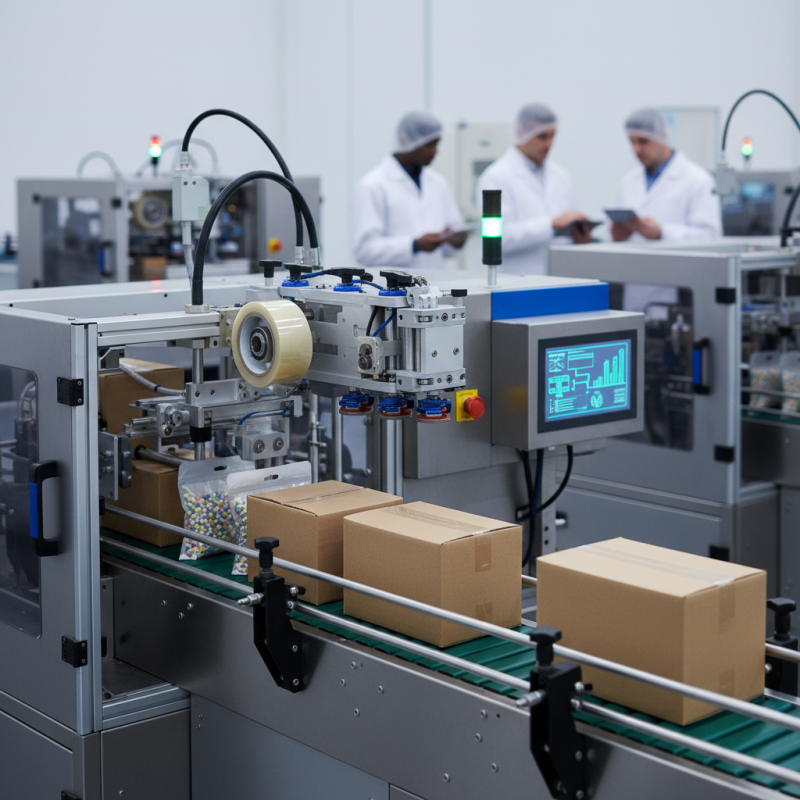
Understanding Different Types of Packing Machines Available in the Market
When selecting a packing machine for your business, it’s crucial to understand the various types available. One of the most common is the horizontal flow wrapper. This machine seals products tightly, ensuring freshness. It's ideal for packing snacks, produce, or even small gadgets. The wraps are customizable, allowing for attractive branding.
Vertical form-fill-seal machines are another popular choice. They efficiently package liquids, powders, and granules. These machines work by creating pouches on-site. Businesses can benefit from reduced material waste. However, finding the right size and capacity is essential. A poorly matched machine can lead to delays and increased operational costs.
The vacuum packing machine is exceptional for prolonging shelf life. By removing air from packages, it safeguards food products. This technology is beneficial for companies aiming to reduce spoilage. Yet, it requires careful handling and might not suit all products. Many businesses overlook the importance of maintaining these machines. Regular upkeep is key to reliable performance.
Assessing Production Volume Needs Based on Industry Standards and Data
When selecting a packing machine, understanding the production volume needs based on industry standards is crucial. For example, a recent report from the Packaging Machinery Manufacturers Institute (PMMI) indicates that companies in the food industry often require machines capable of achieving at least 150 packages per minute. This high throughput is vital for meeting consumer demand efficiently.
However, not all businesses will hit these benchmarks. Smaller enterprises may find themselves producing fewer than 30 packages per minute. This lower volume can lead to underutilization of expensive machinery. An analysis of market trends shows that businesses often gravitate towards machines designed for larger volumes, which may not suit their actual needs. It's essential to evaluate current output and forecasted growth realistically.
Re-evaluating production needs helps in selecting the right packing machine. Data from the Food and Beverage Industry's latest reports state that flexibility in machinery can lead to better ROI. Companies may need to balance speed and versatility rather than simply focusing on high-speed options. Each business is unique, requiring a tailored approach to equipment selection.
Evaluating Cost Effectiveness: Balancing Machine Price and Operational Costs
Choosing the right packing machine can significantly affect your business's bottom line. When evaluating cost-effectiveness, it's crucial to look beyond the initial purchase price. Operational costs such as maintenance, energy consumption, and labor must be included in your calculations. According to a recent industry report, operational inefficiencies can account for up to 30% of total costs in packaging processes.
A packing machine's efficiency can also influence your profit margins. Studies show that a well-chosen machine can reduce packaging time by 20% to 50%. This leads to faster output and increased revenue. It's not solely about price; consider how long the machine will serve you. High-quality machines might require a higher upfront investment, but they often yield lower operational costs over time.
Tip: Always request a total cost of ownership analysis from your vendors. This will help you understand long-term expenditures.
Another aspect to consider is machine flexibility. Machines designed for multiple product types can save money on future investments. Data indicates that businesses with versatile packaging systems experience less downtime when introducing new products. Therefore, investing in adaptable solutions can also offset initial costs.
Tip: Evaluate your product line's growth to choose a future-proof machine. Ensure it meets evolving packaging needs effectively.
How to Choose the Right Packing Machine for Your Business?
| Machine Type | Initial Cost ($) | Operational Cost Per Month ($) | Output Rate (units/hour) | Maintenance Frequency (times/month) |
| Semi-Automatic | 5,000 | 300 | 100 | 2 |
| Fully Automatic | 15,000 | 500 | 300 | 1 |
| Vertical Form Fill Seal | 12,000 | 400 | 250 | 1.5 |
| Horizontal Flow Wrapper | 20,000 | 700 | 500 | 1 |
| Robotic Palletizer | 30,000 | 1,000 | 600 | 0.5 |
Considering Packaging Material Compatibility for Optimal Machine Performance
Choosing the right packing machine is critical for business efficiency. One major factor is packaging material compatibility. Different materials react uniquely to various packing processes. For instance, flexible packaging often requires different machines than rigid containers. A report from the Packaging Machinery Manufacturers Institute (PMMI) indicates that packaging materials can influence machine choice by up to 40%.
Many businesses underestimate compatibility issues. Using an incompatible material can lead to breakdowns. These breakdowns create delays and increase operational costs. A study published in the Journal of Packaging Technology reveals that approximately 30% of production downtime is due to equipment-misalignment with packaging materials. It is essential to assess material properties, such as thickness, stretchability, and heat-resistance.
Understanding these variables is an ongoing process. Packaging materials evolve with technology and consumer demands. Regular training and updates can minimize mistakes. Industry experts recommend reviewing packaging choices annually. This approach ensures your machine remains efficient and aligned with the business's evolving needs, potentially saving up to 25% in operational costs over time.
Machine Performance by Packaging Material Compatibility
Implementing Automation and Technology Features to Enhance Efficiency
When selecting a packing machine, consider automation and technology. These features significantly boost efficiency and productivity in your operations. Automation minimizes human error and speeds up the packing process. This advantage can lead to cost savings and better product consistency. Advanced sensors and smart technology ensure precise packing every time.
However, choosing the right technology is not straightforward. It requires careful evaluation of your specific needs. For instance, assess the types of products you package. Some machines may not accommodate all sizes and shapes. Look for those that offer flexibility and scalability for future growth.
Integration with existing systems is another critical aspect. A machine that fits seamlessly into your workflow enhances overall productivity. Yet, some businesses overlook this step, leading to operational hiccups. Spotting the balance between cutting-edge features and your budget is crucial. Sometimes, less sophisticated machines can still meet your needs effectively.