Why Choose Electric Utility Vehicles for Your Business Needs?
Electric Utility Vehicles (EUVs) are transforming the way businesses operate. These vehicles offer a range of benefits that can enhance efficiency and reduce costs. Many industries are beginning to understand the importance of adopting EUVs.
Businesses often face high fuel costs and increasing environmental regulations. Electric Utility Vehicles can help alleviate these issues. With lower operating costs and minimal emissions, EUVs provide a sustainable alternative to traditional vehicles. Companies that leverage the advantages of these vehicles can gain a competitive edge.
However, adopting Electric Utility Vehicles also presents challenges. Initial investment costs may be a concern for some organizations. Additionally, not all regions provide adequate charging infrastructure. Evaluating these factors is crucial for a successful transition. Overall, focusing on Electric Utility Vehicles opens up new possibilities for innovative business practices.
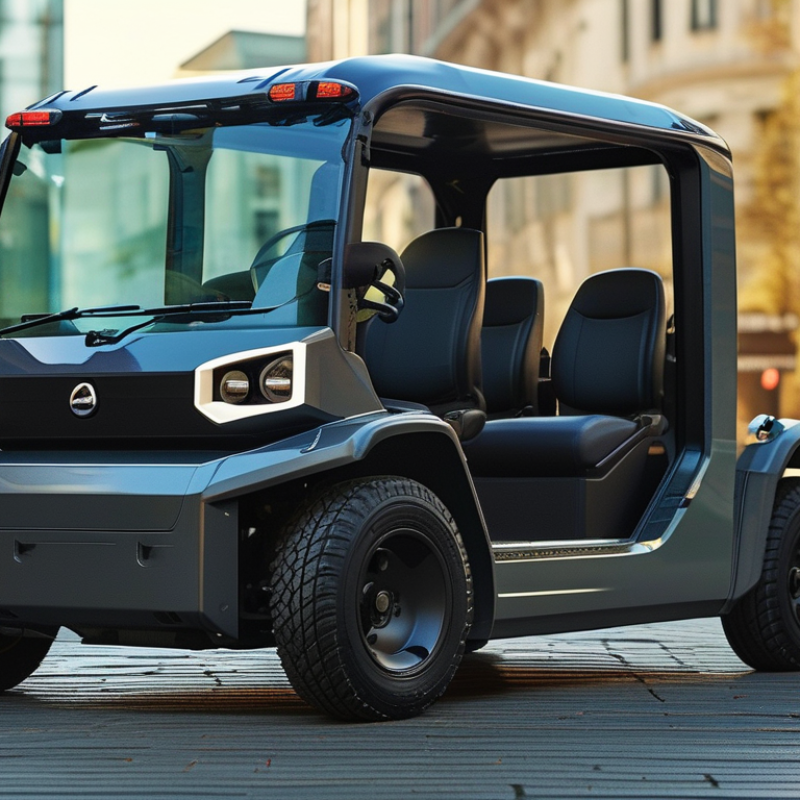
Benefits of Electric Utility Vehicles for Business Operations
Electric utility vehicles (EUVs) present numerous benefits for businesses looking to enhance their operations. One significant advantage is their cost-effectiveness. EUVs typically have lower operational costs compared to traditional fossil fuel vehicles. For example, electricity is usually cheaper than gasoline. This can lead to substantial savings over time. Maintenance costs are also generally lower. With fewer moving parts, electric vehicles require less frequent repairs.
Another benefit is the positive environmental impact. Opting for EUVs can significantly reduce a company’s carbon footprint. Businesses now face increasing pressure to adopt sustainable practices. Using electric vehicles demonstrates a commitment to environmental responsibility. This can improve a company's reputation among eco-conscious consumers.
However, companies must consider their specific needs. EUVs may require charging infrastructure, which can be a challenge for some. Not all businesses can easily adapt their operations to incorporate charging stations. There can be concerns about range and battery life. These factors should be reviewed carefully. The transition to electric vehicles is beneficial but may not be seamless for every organization. Balancing the pros with potential hurdles is crucial for long-term success.
Environmental Impact of Electric Utility Vehicles
The environmental impact of electric utility vehicles (EUVs) is significant. Compared to traditional gasoline vehicles, EUVs produce zero tailpipe emissions. This results in cleaner air, which is essential for urban areas. In congested cities, air quality can deteriorate rapidly. By adopting EUVs, companies can substantially reduce their carbon footprint.
The lifecycle of EUVs also offers environmental advantages. Many manufacturers focus on sustainable materials for vehicle production. These choices help minimize resource depletion. However, the production of electric batteries poses challenges. Mining minerals for batteries can harm ecosystems. Responsible sourcing is needed to address these concerns.
Additionally, while EUVs are more energy-efficient, the source of electricity used is crucial. If the power comes from fossil fuels, the benefits can diminish. Transitioning to renewable energy sources mitigates this issue. Ongoing advancements in battery technology are promising. They may enhance efficiency and further reduce environmental disruption over time. Balancing these factors requires ongoing awareness and effort from businesses.
Cost-Effectiveness of Electric Utility Vehicles Over Time
The cost-effectiveness of electric utility vehicles (EUVs) emerges from their lower operational costs over time. While the initial purchase price may be higher, savings can be realized through reduced fuel and maintenance costs. Electric vehicles generally require less maintenance compared to traditional gasoline or diesel vehicles. They have fewer moving parts, which translates to fewer repairs needed.
Charging infrastructure may pose a challenge and require investment, but it can lead to decreased long-term expenses. Many businesses find that electric utility vehicles optimize efficiency. This efficiency can offset the initial financial burden. An electric vehicle’s lifespan tends to extend longer due to less wear and tear.
However, it’s crucial to consider specific business needs. Not every company might be ready to switch to electric. The transition requires planning and analysis. Businesses should also reflect on route patterns and charging logistics. While the benefits are compelling, each organization must evaluate how electric utility vehicles align with their unique circumstances.
Cost-Effectiveness of Electric Utility Vehicles Over Time
This bar chart illustrates the total cost of ownership (TCO) of electric utility vehicles (EUVs) compared to traditional gasoline utility vehicles over a 5-year period. It highlights the significant savings in fuel costs, maintenance, and tax incentives associated with EUVs.
Technological Advancements in Electric Utility Vehicles
Electric utility vehicles (EUVs) are gaining traction in various industries, largely due to significant technological advancements. The global electric utility vehicle market is projected to reach USD 2.8 billion by 2026, according to a report by MarketsandMarkets. This growth is fueled by improved battery technologies and more efficient electric powertrains. Modern EUVs now offer longer ranges and faster charging times, making them viable options for businesses seeking sustainable solutions.
However, businesses must remain informed about the evolving landscape of EUVs. For instance, the efficiency of electric motors has surged. Studies indicate a potential increase in range by up to 40% over previous models. This means fewer vehicles may be necessary to cover extensive operational areas. Despite these advancements, the challenges of range anxiety and charging infrastructure still persist. Recognizing these factors is crucial for making informed decisions.
Tip: Evaluate your operational needs. Determine the daily mileage requirements and charging availability. This analysis will help in selecting the right EUV.
Electric utility vehicles also come equipped with innovative features such as regenerative braking and advanced telematics. These options not only enhance performance but also provide valuable data for fleet management. Yet, the upfront cost remains a consideration. Businesses must weigh the long-term savings of fuel and maintenance against initial investments.
Tip: Conduct a total cost of ownership (TCO) analysis. This can reveal potential savings and justify the shift to electric vehicles.
Case Studies: Successful Implementation of Electric Utility Vehicles
Electric utility vehicles (EUVs) have been making waves in various industries. Companies are adopting these vehicles to meet their operational needs while promoting sustainability. For instance, a municipality in California integrated EUVs into its fleet. The switch resulted in a 30% reduction in maintenance costs. However, initial hesitation arose due to the higher upfront costs.
Another case study from a
logistics company highlights both challenges and successes. The company faced
charging infrastructure issues at first. Yet, once they invested in proper charging stations, efficiency surged. They reported a notable increase in delivery speed coupled with a significant decrease in fuel expenses. Adopting EUVs was not an easy path, but the long-term environmental benefits were realized.
These examples showcase how organizations are navigating the electric utility vehicle landscape. Implementing such vehicles can have a steep learning curve.
Every transition has lessons learned, and analyzing these case studies can guide future decisions. The journey towards sustainable transportation may have obstacles, but the rewards can be monumental.