2026 Best Material Handling Equipment for Global Buyers?
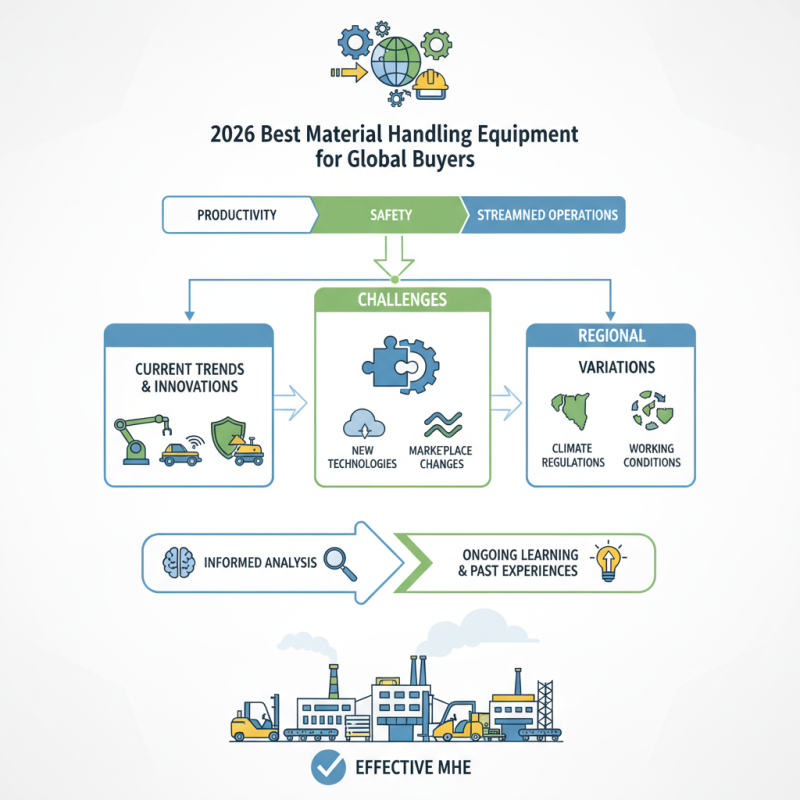
In the ever-evolving landscape of logistics and supply chain management, the choice of Material Handling Equipment (MHE) is crucial. The right MHE can enhance productivity, improve safety, and streamline operations. As global buyers navigate the plethora of options, understanding current trends and innovations becomes essential.
Considering the significant investments involved, it is vital to approach purchasing decisions with caution and informed analysis. Effective MHE must meet specific operational needs while providing reliability. Buyers often face challenges, such as integrating new technologies and adapting to changes in the marketplace. These hurdles can lead to costly errors if not addressed.
Moreover, regional variations influence the effectiveness of certain equipment. What works in one country may not suit another due to climate, regulations, or working conditions. Navigating these complexities requires expertise and diligence. Buyers should also reflect on past experiences and learn from them. This ongoing learning process is essential for making well-informed equipment choices in 2026 and beyond.
Overview of Material Handling Equipment in 2026
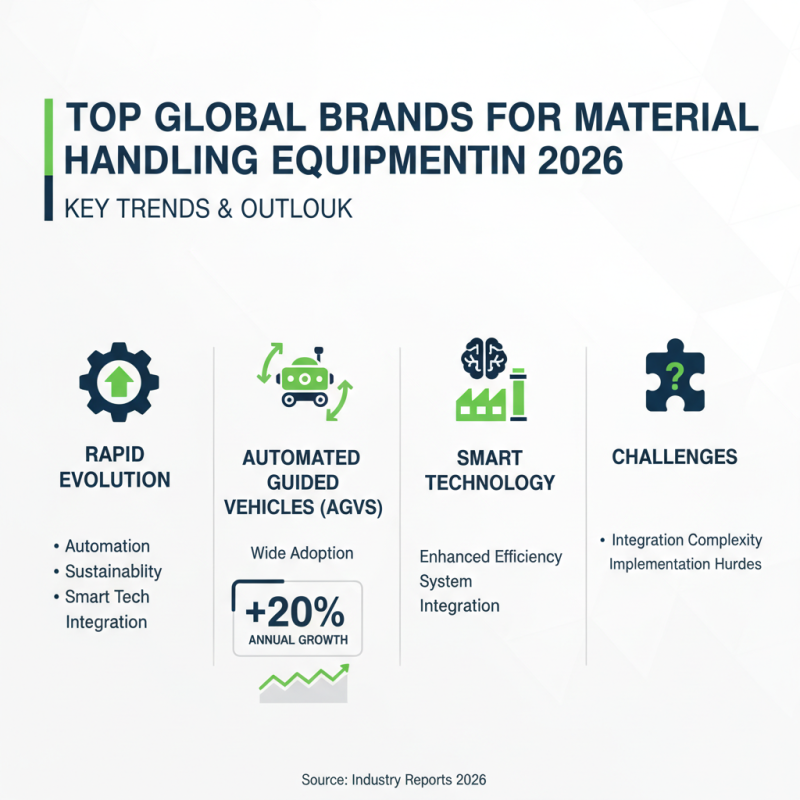
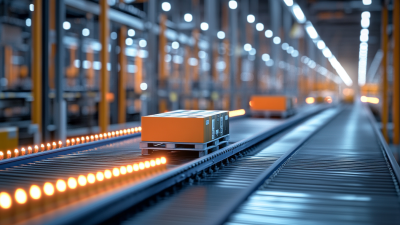
In 2026, the landscape of material handling equipment is evolving rapidly. Technology plays a vital role in enhancing efficiency and safety in warehouses and factories. Automated guided vehicles and drones are becoming more common. These innovations allow for seamless transport of goods, minimizing human error. Real-time tracking systems will improve inventory management significantly.
Sustainability trends also influence material handling choices. Businesses focus on energy-efficient systems to reduce their carbon footprint. This shift encourages manufacturers to create greener equipment. Yet, the transition can be challenging. Companies struggle with initial costs and retraining staff to adapt to new systems.
Customization remains a key theme in 2026. Equipment that can be tailored to specific industry needs is in demand. However, not every company can afford this level of personalization. Organizations must weigh the benefits against the investments required. There is much experimentation in finding the right balance between cost and efficiency. As the industry evolves, continuous learning and adaptation will be crucial for success.
2026 Best Material Handling Equipment for Global Buyers
This chart displays the projected demand for various types of material handling equipment in 2026, helping global buyers to make informed decisions.
Key Trends and Innovations in Material Handling Technologies
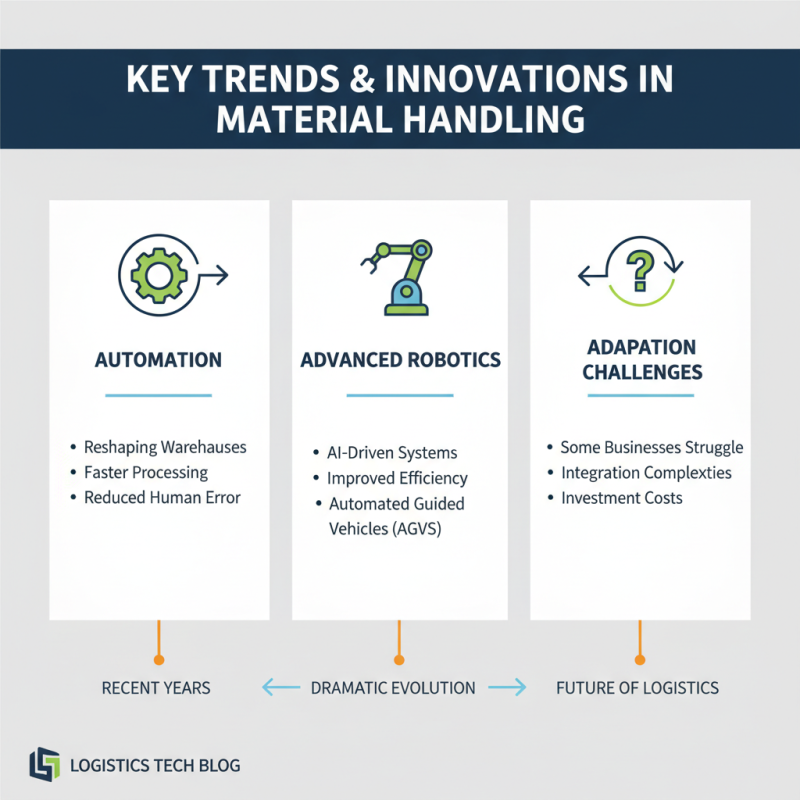
In recent years, material handling technologies have evolved dramatically. Automation is reshaping warehouses and distribution centers. Advanced robotics and AI-driven systems improve efficiency. These innovations allow for faster processing times and reduced human error. Yet, some businesses struggle to adapt to this rapid change.
Introducing collaborative robots, or cobots, can enhance the workplace. These machines work alongside human workers, optimizing load handling. They are designed for flexibility and can be redeployed easily. However, companies must ensure proper training for their staff. Otherwise, operational risks may increase.
Another trend is the integration of IoT in equipment. Smart devices collect and analyze data in real time. This provides insights into performance and potential issues. It helps in predictive maintenance. Many companies face challenges in data management and interpretation. Investing in training can mitigate this. Companies should also prioritize cybersecurity to protect sensitive information.
Factors to Consider When Choosing Material Handling Equipment
When selecting material handling equipment, several factors come into play. Understanding your specific needs is crucial. For instance, consider the weight and dimensions of the loads. According to a recent industry report, 42% of companies reported that capacity is their leading concern. This indicates that understanding your load requirements is fundamental in making informed decisions.
Safety and ergonomic design should not be overlooked. Studies indicate that businesses prioritizing ergonomic equipment saw a 25% reduction in workplace injuries. Investing in such equipment not only protects workers but also enhances productivity. Ensure that the equipment aligns with safety regulations while catering to user-friendliness.
Tips: Perform regular assessments of existing equipment. Gauge their effectiveness and note areas for improvement. Additionally, keep abreast of technological advancements. Emerging solutions may offer enhanced efficiency or reduce operational costs. Remember, staying informed can lead to better choices in equipment.
2026 Best Material Handling Equipment for Global Buyers
| Type of Equipment |
Load Capacity (lbs) |
Height (ft) |
Power Source |
Key Features |
| Forklift |
5,000 |
10 |
Electric |
Maneuverable, compact design |
| Pallet Jack |
4,000 |
N/A |
Manual |
High durability, easy to use |
| Stacker |
2,200 |
6 |
Manual/Electric |
Space-saving, lightweight |
| Dock Leveler |
10,000 |
N/A |
N/A |
Easy loading/unloading, robust |
| Conveyor System |
Variable |
N/A |
Electric |
Increases efficiency, customizable |
Best Practices for Integrating New Equipment into Operations
Integrating new material handling equipment into operations requires careful consideration and planning.
According to a recent report from the Material Handling Industry of America,
75% of companies face challenges when upgrading their systems.
Understanding these challenges is crucial for success. One common issue is employee resistance.
Training staff on new technologies is essential yet often overlooked. Ensuring all team members are on board can foster a more adaptable workplace.
Another significant aspect is data integration. New equipment must seamlessly communicate with existing systems.
A study by Logistics Management found that 60% of firms struggle with data silos during equipment upgrades.
Proper integration enhances efficiency and reduces errors. It's vital to allocate resources toward software that bridges these gaps.
Finally, realistic expectations are necessary. Many organizations expect immediate results from new investments.
In reality, the transition period often includes unforeseen setbacks. An analysis by the Warehouse Education and Research Council
indicates that 40% of implementations encounter delays.
A proactive approach is essential to navigate these hurdles effectively.