Top 10 Benefits of Alloy Radiators for Your Vehicle
Alloy radiators have emerged as a popular choice for vehicle owners seeking enhanced performance and efficiency. These components not only improve thermal management but also contribute to the overall durability of the engine. Choosing alloy radiators can drastically reduce the risk of overheating, a common issue faced by many drivers.
Moreover, alloy radiators are generally lighter than traditional copper or brass options. This weight reduction can lead to better fuel efficiency and improved handling. However, it's essential to select high-quality alloy radiators to fully capitalize on these benefits. Some cheaper versions may not offer the same reliability, which could lead to potential engine damage.
Vehicle enthusiasts often appreciate the aesthetics of alloy radiators as well. Their sleek appearance can complement the look of a car's engine bay. While there are many advantages, it's crucial to consider factors like fit and compatibility. Not all vehicles are designed for alloy radiators, and improper installation can lead to issues. Understanding both the pros and cons ensures an informed choice, ultimately enhancing the driving experience.
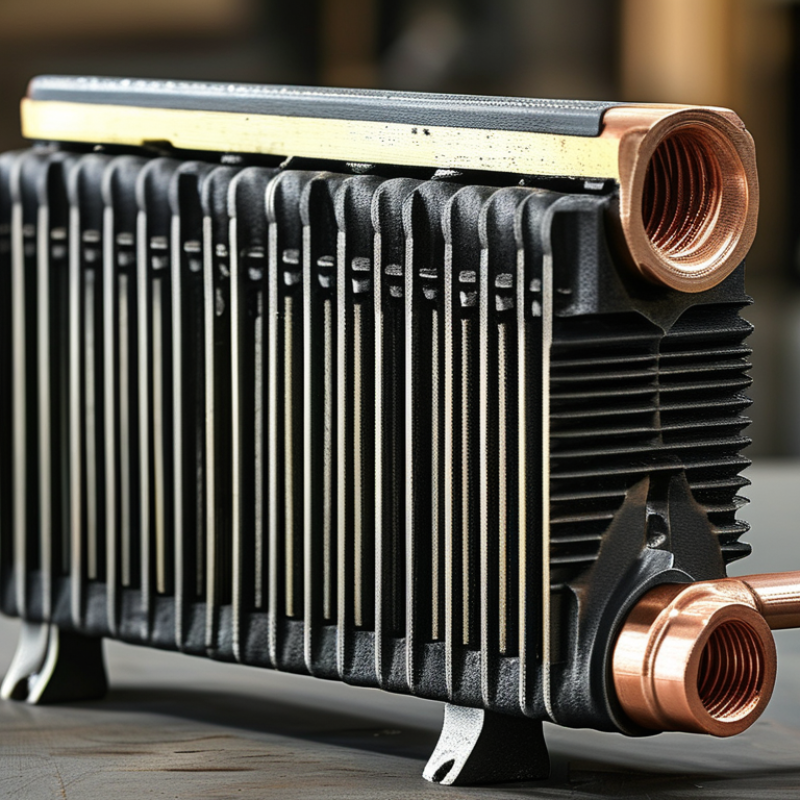
Advantages of Alloy Radiators Over Traditional Radiators
Alloy radiators have distinct advantages over traditional radiators. One key benefit is weight reduction. Alloy materials are significantly lighter, which can improve vehicle performance. For example, a study in the automotive industry indicated that reducing radiator weight by just 10% can enhance fuel efficiency by around 2-3%.
Another advantage is thermal conductivity. Alloy radiators typically offer better heat dissipation than their traditional counterparts. Data shows that aluminum alloy radiators can transfer heat up to 20% more efficiently. This capability helps maintain optimal engine temperatures, reducing the risk of overheating. Such efficiency is critical in high-performance vehicles and can impact overall engine longevity.
Durability also sets alloy radiators apart. They resist corrosion better than traditional materials. A 2019 report highlighted that alloy radiators can have a lifespan exceeding 15 years with proper maintenance. However, the warranty terms for these radiators are often complex. In some instances, users may overlook the implications of improper installation or maintenance. Understanding these factors is essential to maximize the benefits of alloy technology.
Enhanced Cooling Efficiency of Alloy Radiators
Alloy radiators are gaining attention for their enhanced cooling efficiency. Their lightweight nature helps reduce the overall weight of vehicles, leading to better fuel efficiency. Moreover, they dissipate heat more effectively than traditional copper or brass options. This means they can maintain optimal engine temperatures, preventing overheating during strenuous use.
When opting for alloy radiators, consider the installation process. Proper fitting is essential for achieving the best performance. If installed incorrectly, cooling efficiency may suffer. Always consult a professional for installation advice, ensuring that the radiator works in harmony with other components of your vehicle.
Regular maintenance of alloy radiators is crucial. Check for any signs of wear or leaks. Monitoring coolant levels is also important. Neglecting these tasks can lead to diminished performance. Ensure that your alloy radiator is clean and free of debris. A well-maintained radiator will contribute significantly to your vehicle's longevity and efficiency.
Durability and Longevity of Alloy Radiators
Alloy radiators are increasingly popular for vehicle enthusiasts. Their durability plays a crucial role in automotive performance. Compared to traditional materials, alloy radiators resist corrosion better. This resistance leads to a longer lifespan. Vehicles equipped with these radiators often face fewer overheating issues. They can maintain optimal temperatures even under stress.
The construction of alloy radiators is robust yet lightweight. This combination provides excellent heat dissipation while minimizing overall weight. However, the initial investment in alloy radiators can be higher. Some might wonder if the benefits outweigh the costs. Quality materials used in alloy radiators often justify this expense over time. Regular maintenance is essential to maximize their longevity. Proper care can further enhance their effectiveness.
While the advantages are clear, some users report occasional compatibility issues. Not every vehicle can fully benefit from an alloy upgrade. Understanding your vehicle's needs is vital. Research is necessary to ensure a good fit. Decisions based on reliable information can lead to lasting benefits.
Weight Reduction Benefits of Alloy Radiators in Vehicles
Alloy radiators have gained popularity in the automotive industry, especially due to their weight reduction benefits. Lighter components can significantly enhance your vehicle's performance. By replacing traditional radiators with alloy options, you can reduce overall weight, which can improve fuel efficiency and handling.
A lighter vehicle means less strain on the engine, leading to better acceleration. This can be crucial during high-performance driving or when carrying heavy loads. Additionally, alloy radiators dissipate heat more efficiently. This helps to maintain optimal engine temperatures, enhancing longevity and performance reliability.
Tip: When considering an upgrade, evaluate the weight of your current radiator. Ensure that your vehicle's cooling system can support the switch to an alloy radiator. This small change can yield noticeable improvements.
Another point to consider is the installation process. Some might find alloy radiators require specific fittings or modifications. It’s essential to research compatible models for your vehicle. This step can save you time and potential frustration down the road.
Tip: Always consult with professionals or experienced automotive technicians before making changes. Gaining insights from experts can enhance your understanding of your vehicle's needs. Their knowledge can make a world of difference in your final decision.
Corrosion Resistance Features of Alloy Radiators
Alloy radiators are gaining popularity due to their impressive corrosion resistance. Traditional radiators often succumb to rust and wear, leading to inefficient cooling. In contrast, alloy radiators utilize resistant materials like aluminum, which has a natural oxide layer. This layer protects against environmental factors, ensuring longevity and reliability.
A study by the International Journal of Automotive Engineering indicates that alloy radiators can withstand corrosion up to five times longer than steel counterparts. This durability not only means fewer repairs but also optimal engine performance. Regular maintenance can further enhance the lifespan of these radiators, helping avoid costly replacements.
Tip: Inspect your alloy radiator regularly for signs of wear or leaks. Even minor issues can lead to significant problems over time.
Corrosion’s impact goes beyond aesthetics; it can hinder vehicle performance. A corroded radiator risks overheating and potential engine damage. By investing in an alloy radiator, you protect your vehicle’s heart—the engine.
Tip: Consider flushing your cooling system annually to prevent build-up that may lead to corrosion. Keeping the coolant fresh can drastically reduce maintenance costs.